
Can Pcos Lead To Diabetes -
Early Warning Signs & Prevention Tips
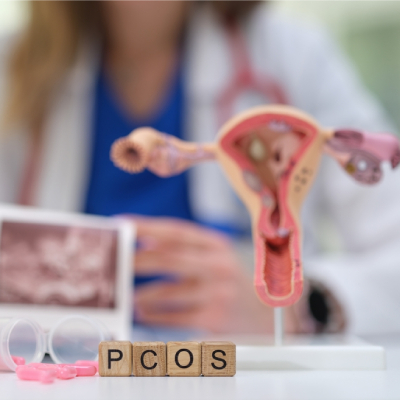
Polycystic Ovary Syndrome (PCOS) is one of the most common hormone disorders affecting women of reproductive age. Many women know that PCOS can cause irregular periods, acne, and weight gain. But fewer people are aware of a serious long-term risk — Type 2 diabetes.
If you or someone in your family has PCOS, understanding the link between PCOS and diabetes can help prevent future health problems. In this blog, we will explain the connection in simple words, discuss early warning signs, and share practical prevention tips.
What Is Pcos?
PCOS is a hormonal imbalance that affects the ovaries. Women with PCOS may have:
- Irregular or missed periods
- Excess facial or body hair
- Acne or oily skin
- Weight gain, especially around the abdomen
- Difficulty getting pregnant
PCOS is not just a reproductive condition. It is also closely connected to how the body handles sugar and insulin.
The Pcos–Insulin Resistance Connection
To understand how PCOS can lead to diabetes, we must first understand insulin resistance.
Insulin is a hormone that helps sugar (glucose) move from the blood into the cells for energy. When someone has insulin resistance:
- The body does not respond properly to insulin
- The pancreas produces more insulin to compensate
- Blood sugar levels gradually rise
Many women with PCOS have insulin resistance — even if they are not overweight.
How Does This Increase Diabetes Risk?
When insulin levels remain high for a long time:
- Blood sugar starts to increase
- The pancreas gets stressed
- Over time, this can lead to Type 2 diabetes
Studies show that women with PCOS have a significantly higher risk of developing Type 2 diabetes compared to women without PCOS.
Early Warning Signs You Should Not Ignore
Recognizing early symptoms can help prevent serious complications. If you have PCOS, watch out for the following signs:
- Weight gain mainly around the abdomen
- Difficulty losing weight despite dieting
- Craving sweets frequently
- Feeling hungry soon after meals
1. Belly Fat or Sudden Weight Gain
Abdominal fat increases insulin resistance and diabetes risk.
2. Sugar Cravings
This may indicate unstable blood sugar levels.
Other Articles
- Diabetes Insipidus Causes, Symptoms, Diagnosis and Treatment
- Understanding Pmos: Causes, Symptoms, Insulin Resistance & Treatment
- Essential Summer Care Tips for Diabetic Patients to Stay Healthy
- Fruits and Diabetes what you can eat and what to Limit
- Know Your Diabetes: Types, Causes, Symptoms & the Essential Role of a Diabetes Specialist
- Understanding the Difference Between Hypothyroidism and Hyperthyroidism
- The Role of Endocrinology in Men's & Women's Health
- The Role of Endocrinologist in Managing Diabetes
- How Obesity Increases the risk of Type 2 Diabetes
- Feeling sleepy or low in energy after eating
- Brain fog or lack of concentration
- Drinking water often
- Going to the restroom frequently
- Dark, thickened skin around the neck, armpits, or groin
- This condition is called acanthosis nigricans
3. Tiredness After Meals
This can be a sign of blood sugar spikes and drops.
4. Frequent Thirst and Urination
These are classic early signs of high blood sugar.
5. Dark Patches Around the Neck
It is a strong indicator of insulin resistance.
If you notice these symptoms, do not ignore them. Early testing can prevent long-term damage.
Who Is At Higher Risk?
Women with PCOS may be at greater risk of diabetes if they:
- Are overweight or obese
- Have a family history of diabetes
- Have high blood pressure
- Had gestational diabetes during pregnancy
- Lead a sedentary lifestyle
Even young women in their 20s with PCOS can develop prediabetes.
Recommended Tests For Early Detection
If you have PCOS, regular blood sugar screening is important. Your doctor may recommend:
- Fasting Blood Sugar (FBS) – Measures sugar levels after 8–10 hours of fasting
- Post-Prandial Sugar (PP Sugar) – Measures sugar levels 2 hours after meals
- HbA1c Test – Shows average blood sugar levels over the last 3 months
- Fasting Insulin (if required) – Helps assess insulin resistance
These tests help identify prediabetes early, even before symptoms appear.
Early diagnosis means early action.
Prevention Tips: How To Reduce Diabetes Risk With Pcos
The good news is that diabetes can often be prevented with lifestyle changes and proper medical guidance.
- Eat high-fiber foods (vegetables, fruits, whole grains)
- Reduce refined sugar and white rice
- Choose complex carbohydrates
- Include protein in every meal
- At least 30 minutes of brisk walking daily
- Strength training 2–3 times per week
- Yoga for stress management
- Improve menstrual cycles
- Reduce insulin resistance
- Lower diabetes risk
- Deep breathing exercises
- Meditation
- Adequate sleep (7–8 hours daily)
1. Focus on Healthy Eating
Balanced meals help control insulin levels.
2. Exercise Regularly
Physical activity improves insulin sensitivity.
3. Maintain a Healthy Weight
Even losing 5–10% of body weight can:
4. Manage Stress
Stress increases hormone imbalance and blood sugar levels. Try:
5. Regular Health Checkups
Do not wait for symptoms. Annual screening is important for women with PCOS.
Why Early Medical Guidance Matters
PCOS and diabetes are long-term conditions. Managing them early prevents:
- Heart disease
- Infertility issues
- Kidney problems
- Nerve damage
- Vision problems
Proper hormonal balance and sugar control require expert care.
For specialized evaluation and PCOS Treatment in Vijayawada, many patients seek guidance from a qualified Hormone specialist in Vijayawada who understands both endocrine and metabolic health.
At Esha Endocrine Centre, comprehensive care is provided for hormone disorders and diabetes management under the supervision of Dr. S. L. Sravya, who focuses on personalized treatment plans.
If you are looking for a trusted Diabetes Hospital in Vijayawada, choosing a center that offers integrated PCOS and diabetes care can make a big difference in long-term health outcomes.
When Should You Consult A Specialist?
You should consult a doctor if:
- You have PCOS and are gaining weight rapidly
- Your periods are irregular along with sugar cravings
- You feel tired frequently
- Your blood test shows borderline sugar levels
Early consultation with the Best Diabetes specialist in Vijayawada can help you create a prevention strategy before diabetes develops.
Final Thoughts
PCOS is more than just a menstrual problem. It is closely linked to insulin resistance, which increases the risk of Type 2 diabetes. The connection is strong — but the good news is that it is manageable.
By:
- Watching early warning signs
- Getting regular blood tests
- Following a healthy lifestyle
- Seeking timely medical advice
You can reduce your risk of diabetes and live a healthy life.
Do not ignore the signs.