
Understanding the Difference Between Hypothyroidism and Hyperthyroidism
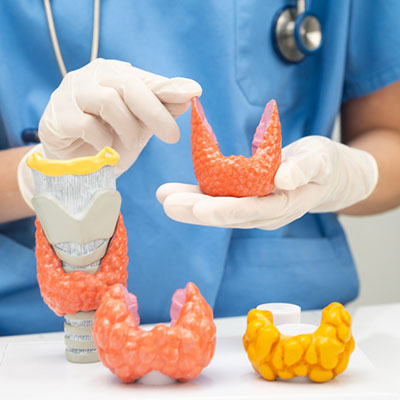
The thyroid gland is a small butterfly-shaped organ located at the front of your neck. It plays a crucial role in controlling many functions in your body by producing hormones called thyroxine (T4) and triiodothyronine (T3). These hormones help regulate your metabolism, energy levels, body temperature, and overall health. When the thyroid gland produces too little or too much of these hormones, it causes health problems called hypothyroidism and hyperthyroidism, respectively. Understanding the difference between these two conditions is important for proper treatment and maintaining good health. At Esha Endocrine Centre, patients can seek the help of experts like Dr. S. L. Sravya, who is a trusted thyroid specialist in Vijayawada.
What is Hypothyroidism?
Hypothyroidism happens when the thyroid gland fails to produce sufficient amounts of thyroid hormones. This deficiency can slow down many of your body's functions. Common causes include autoimmune diseases like Hashimoto's thyroiditis, iodine deficiency, or damage to the thyroid gland from surgery or radiation. Symptoms of hypothyroidism can develop gradually and include fatigue, weight gain, cold intolerance, dry skin, constipation, and depression. Because these symptoms are subtle and common, hypothyroidism can sometimes go unnoticed for a long time. If left untreated, it can lead to more serious health issues like goiter, heart problems, and even mental health disorders. For those in Vijayawada, there are effective hypothyroidism treatments available, and consulting an experienced endocrinologist can help manage the condition effectively.
What is Hyperthyroidism?
In contrast, hyperthyroidism happens when the thyroid gland produces too much thyroid hormone. This excess hormone speeds up your body's functions and can lead to symptoms like rapid heartbeat, weight loss, increased appetite, sweating, nervousness, and difficulty sleeping. Graves’ disease is a common cause of hyperthyroidism, which is an autoimmune disorder where the immune system stimulates the thyroid to produce too much hormone. Additional causes consist of thyroid nodules and thyroid gland inflammation. Hyperthyroidism can also cause swelling in the neck (goiter). Effective hyperthyroidism treatment in Vijayawada is available and can include medications, radioactive iodine therapy, or even surgery, depending on the severity of the condition. Visiting an experienced endocrinologist is essential for proper diagnosis and treatment.
Key Differences between Hypothyroidism and Hyperthyroidism
While hypothyroidism and hyperthyroidism both involve the thyroid gland, their symptoms are quite different. Hypothyroidism tends to cause fatigue, weight gain, and feeling cold, whereas hyperthyroidism often leads to weight loss, rapid heartbeat, and sweating. To distinguish between the two, doctors usually perform blood tests to measure levels of TSH (thyroid-stimulating hormone), T3, and T4 hormones. In hypothyroidism, TSH levels are high, and T4 levels are low. Conversely, in hyperthyroidism, TSH levels are low, and T4 levels are high. These tests help doctors precisely diagnose the condition and determine the appropriate thyroid treatment in Vijayawada.
Treatment Options for Hypothyroidism and Hyperthyroidism
Other Articles
- Diabetes Insipidus Causes, Symptoms, Diagnosis and Treatment
- Understanding Pmos: Causes, Symptoms, Insulin Resistance & Treatment
- Essential Summer Care Tips for Diabetic Patients to Stay Healthy
- Fruits and Diabetes what you can eat and what to Limit
- Understanding the Difference Between Hypothyroidism and Hyperthyroidism
- How Obesity Increases the risk of Type 2 Diabetes
- The Role of Endocrinology in Men's & Women's Health
- The Role of Endocrinologist in Managing Diabetes
- Can Pcos Lead To Diabetes
Treating hypothyroidism mainly involves replacing the deficient hormones with synthetic thyroid hormones, such as levothyroxine. This is a lifelong treatment that can effectively manage symptoms and prevent complications. Regular monitoring is necessary to ensure the correct dosage. On the other hand, hyperthyroidism treatment aims to reduce excess hormone production. Options include antithyroid medications, radioactive iodine therapy, or surgery to remove part or all of the thyroid gland. The choice of treatment depends on the patient's age, health, and severity of the condition. At Esha Endocrine Centre, patients receive personalized care and guidance for the best possible outcome. Whether you need hypothyroidism treatment in Vijayawada or hyperthyroidism treatment in Vijayawada, expert care is vital for managing these conditions successfully.
Importance of Proper Thyroid Disorder Management for Better Health
Both hypothyroidism and hyperthyroidism require proper diagnosis and management to prevent complications. If untreated, hypothyroidism can lead to myxedema, a severe form of hypothyroidism that can cause coma. Hyperthyroidism, if not controlled, can lead to heart problems such as arrhythmias or osteoporosis. Regular check-ups, blood tests, and follow-up care are essential components of thyroid treatment in Vijayawada. Patients are encouraged to work closely with their healthcare providers, including specialists like Dr. S. L. Sravya, to ensure optimal health.
Living with Thyroid Problems: Lifestyle Tips and Ongoing Care in Vijayawada
Living with thyroid conditions might seem challenging at first, but with the right treatment, most people can lead healthy, active lives. Lifestyle changes such as a balanced diet, regular exercise, and stress management can support overall well-being. It is also important to stay updated with medical appointments and medication schedules. If you experience symptoms like persistent fatigue, weight changes, or mood swings, consult a thyroid specialist near me to get tested and start appropriate treatment.
Final Thoughts: Consult Dr. S. L. Sravya, Trusted Thyroid Specialist in Vijayawada
Understanding the differences between hypothyroidism and hyperthyroidism is essential for effective management and long-term health. Although these thyroid disorders are common, proper diagnosis and timely care can keep them well under control. Whether you are looking for hypothyroidism treatment in Vijayawada or hyperthyroidism treatment in Vijayawada, Esha Endocrine Centre offers expert evaluation and advanced care.
Consulting an experienced thyroid specialist like Dr. S. L. Sravya can make a remarkable difference in your recovery. Take charge of your thyroid health today — early diagnosis and the right treatment are key to living a healthy, balanced life.