
Best Fruits for Diabetes Patients: What to Eat & Avoid
Managing diabetes does not mean you have to completely avoid fruits. Fruits are full of vitamins, minerals, and fiber that are important for your health. However, choosing the right fruits and eating them in the right way is very important for maintaining healthy blood sugar levels.
If you are guided by a Diabetes specialist in Vijayawada, you will often hear that balance and awareness are the key factors when including fruits in your daily diet.
How fruits affect blood sugar
Fruits contain natural sugar called fructose, which can raise blood sugar levels. But unlike refined sugar, fruits also provide fiber, which slows down sugar absorption.
Two important factors to understand:
1. Glycemic Index (GI):
This tells how quickly a food raises blood sugar.
- Low GI = slower rise (better)
- High GI = quick spike (limit these)
2. Fiber Content:
Fruits rich in fiber help control blood sugar levels by slowing digestion.
A Best Diabetic Specialist in Vijayawada often recommends choosing fruits with low GI and high fiber to keep sugar levels stable.
Importance of portion control
Even healthy fruits can raise blood sugar if eaten in large amounts. That’s why portion control is very important.
Simple tips:
- Eat 1 small portion at a time
- Avoid eating multiple fruits together
- Spread fruit intake across the day
Smart pairing:
Pair fruits with:
- Nuts (almonds, walnuts)
- Peanut butter
- Yogurt
These combinations slow down sugar absorption and prevent spikes. An Endocrinologist in Vijayawada may suggest such combinations as part of a balanced diabetic diet plan.
Fruits you can eat (low gi options)
These fruits are safer choices because they release sugar slowly into the bloodstream.
Other Articles
- Diabetes Insipidus Causes, Symptoms, Diagnosis and Treatment
- Understanding Pmos: Causes, Symptoms, Insulin Resistance & Treatment
- Essential Summer Care Tips for Diabetic Patients to Stay Healthy
- Know Your Diabetes: Types, Causes, Symptoms & the Essential Role of a Diabetes Specialist
- Understanding the Difference Between Hypothyroidism and Hyperthyroidism
- The Role of Endocrinology in Men's & Women's Health
- The Role of Endocrinologist in Managing Diabetes
- How Obesity Increases the risk of Type 2 Diabetes
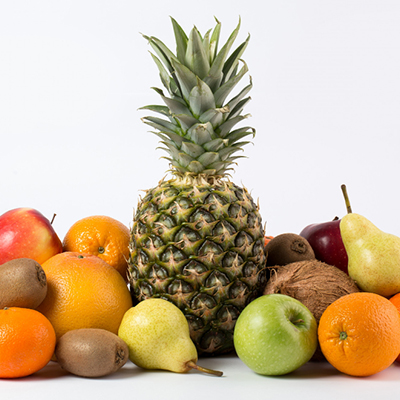
Recommended fruits:
- Apples
- Pears
- Guava
- Oranges
- Berries (strawberries, blueberries)
- Papaya
- Kiwi
Why they are good:
- High in fiber
- Low to medium GI
- Help maintain steady blood sugar
A Diabetologist in Vijayawada often advises including these fruits regularly but in controlled portions.
Fruits to limit or avoid
Some fruits have high sugar content or a high glycemic index, which can cause rapid spikes in blood sugar.
Fruits to limit:
- Mangoes
- Bananas (especially ripe)
- Grapes
- Pineapple
- Watermelon
Why limit them:
- High natural sugar
- Faster absorption
- Can cause sudden glucose spikes
This doesn’t mean you must completely avoid them, but you should eat them in small quantities and occasionally.
Avoid these forms of fruits
The way you consume fruits matters as much as the type of fruit.
Avoid:
- Fruit juices (even fresh juice)
- Dried fruits (raisins, dates)
- Canned fruits with added sugar
- Fruit smoothies with added sweeteners
Why?
- No fiber (in juices)
- Highly concentrated sugar (in dried fruits)
- Fast sugar spikes
For better understanding, you can watch this quick guide:

Experts at Esha Endocrine Centre emphasize choosing whole fruits instead of processed forms to manage diabetes effectively.
Best practices for eating fruits with diabetes
- Eat fruits whole, not juiced
- Choose low GI fruits
- Maintain portion control
- Combine fruits with protein or healthy fats
- Avoid eating fruits on an empty stomach if it causes spikes
- Monitor your blood sugar after trying new fruits
Following these habits can make fruits a safe and healthy part of your diet.
When to be extra careful
If you notice:
- Sudden sugar spikes after eating fruit
- Difficulty controlling glucose levels
- Increased cravings for sweet foods
You should consult a specialist. Personalized advice is very important because every person’s body reacts differently.
For expert care, you may consult Dr. S. L. Sravya, who can guide you with a customized diet plan suited to your condition.
Final thoughts
Fruits are not your enemy when you have diabetes—but choosing the right ones and eating them wisely is essential. Focus on low GI fruits, control your portions, and avoid processed forms to maintain stable blood sugar levels.
If you are unsure about which fruits are best for you, consult a qualified diabetes expert for personalized guidance and better health management.
Taking the right steps today can help you enjoy fruits without compromising your health.