
Understanding Pmos: Causes, Symptoms, Insulin Resistance & Treatment
Introduction
Many women experience irregular periods, weight gain, acne, or difficulty conceiving without realizing that these symptoms may be connected to an underlying hormonal and metabolic condition. For many years, this condition was commonly known as Polycystic Ovary Syndrome (PCOS). However, growing medical research has shown that the disorder affects much more than the ovaries. It also involves hormone imbalance, metabolism, and insulin function throughout the body. Because of this broader understanding, many healthcare professionals now use the term Polyendocrine Metabolic Syndrome (PMOS) to better describe the condition. PMOS emphasizes that it is not simply an ovarian disorder but a complex condition involving multiple hormone-producing glands and metabolic pathways.
Women experiencing symptoms should not ignore them, as early diagnosis can prevent long-term complications. If you are looking for PMOS treatment in Vijayawada, understanding the condition is the first step toward better health. In this article, you'll learn what PMOS is, why the terminology has evolved, how insulin resistance plays a central role, common symptoms, long-term health risks, lifestyle changes, available treatments, and why early medical care is essential.
What Is PMOS?
PMOS stands for Polyendocrine Metabolic Syndrome, a condition that affects multiple hormonal systems in the body while also influencing metabolism. It is considered a broader and more accurate description than the traditional term PCOS because the condition involves much more than the ovaries. Women with PMOS often experience hormonal imbalance, irregular ovulation, metabolic disturbances, and insulin resistance. Although ovarian cysts may be present in some women, they are not necessary for the diagnosis.
The change in terminology reflects the understanding that this condition affects the endocrine system as a whole. Hormones produced by the ovaries, pancreas, adrenal glands, and other endocrine organs interact closely, making PMOS a multisystem disorder rather than an isolated gynecological problem. Because every woman experiences different symptoms, proper medical evaluation is essential for an accurate diagnosis.
Why Has the Terminology Changed from PCOS to PMOS?
The name "Polycystic Ovary Syndrome" focuses mainly on the ovaries, which can sometimes be misleading. Many women diagnosed with the condition do not have ovarian cysts, while others with ovarian cysts may not have the syndrome. More importantly, research has shown that insulin resistance, metabolic dysfunction, and hormonal imbalance are often the primary drivers of the condition.
The term PMOS better reflects these widespread effects on the endocrine and metabolic systems. It encourages a more comprehensive approach to diagnosis and treatment rather than focusing only on reproductive health. This evolving understanding also helps doctors address long-term health risks beyond menstrual irregularities and fertility concerns.
Other Articles
- Diabetes Insipidus Causes, Symptoms, Diagnosis and Treatment
- Essential Summer Care Tips for Diabetic Patients to Stay Healthy
- Fruits and Diabetes what you can eat and what to Limit
- Know Your Diabetes: Types, Causes, Symptoms & the Essential Role of a Diabetes Specialist
- Understanding the Difference Between Hypothyroidism and Hyperthyroidism
- The Role of Endocrinology in Men's & Women's Health
- The Role of Endocrinologist in Managing Diabetes
- How Obesity Increases the risk of Type 2 Diabetes

Understanding the Role of Insulin Resistance
One of the most important factors in PMOS is insulin resistance. Insulin is a hormone produced by the pancreas that helps move glucose from the bloodstream into the body's cells for energy. In insulin resistance, the body's cells become less responsive to insulin. As a result, the pancreas produces more insulin to compensate.
High insulin levels stimulate the ovaries to produce excess male hormones known as androgens. These hormonal changes interfere with normal ovulation and contribute to many symptoms associated with PMOS. Insulin resistance also makes it easier to gain weight and more difficult to lose it. Excess body weight further worsens insulin resistance, creating a cycle that becomes increasingly difficult to break without proper treatment. A qualified Endocrinologist in Vijayawada can evaluate insulin resistance and recommend appropriate investigations and management strategies.
Common Symptoms of PMOS
The symptoms of PMOS vary widely from one woman to another. Some women experience only mild hormonal changes, while others develop multiple symptoms affecting their reproductive, metabolic, and emotional health.
Common symptoms include:
- Irregular or absent menstrual periods
- Difficulty ovulating
- Weight gain, especially around the abdomen
- Persistent acne
- Excess facial or body hair
- Hair thinning or hair loss on the scalp
- Darkened skin around the neck or underarms
- Fatigue and low energy levels
- Difficulty becoming pregnant
- Mood changes and emotional stress
Not every woman experiences all these symptoms. Their severity depends on hormone levels, insulin resistance, genetics, and lifestyle factors.
Long-Term Health Risks of PMOS
PMOS is much more than a reproductive condition. If left untreated, it can increase the risk of several serious health problems. Women with insulin resistance are more likely to develop Type 2 diabetes because the pancreas gradually becomes unable to produce enough insulin. Obesity commonly develops due to metabolic changes and reduced insulin sensitivity. Excess weight further increases the risk of diabetes and cardiovascular disease. High blood pressure and abnormal cholesterol levels may also occur, increasing the likelihood of heart disease and stroke later in life. Irregular ovulation can lead to infertility or difficulty conceiving naturally. Long-standing irregular menstrual cycles may also increase the risk of endometrial abnormalities in some women. Early diagnosis and appropriate treatment significantly reduce these long-term health risks.
How Is PMOS Diagnosed?
Diagnosing PMOS requires a detailed medical evaluation because no single test can confirm the condition. Your doctor will begin by reviewing your menstrual history, symptoms, family history, and lifestyle habits. A physical examination may assess body weight, blood pressure, signs of excess hair growth, acne, and skin changes associated with insulin resistance. Blood tests are usually performed to evaluate hormone levels, blood sugar, insulin levels, cholesterol, thyroid function, and other endocrine markers. Ultrasound may also be recommended to evaluate the ovaries, although ovarian cysts are not required for diagnosis. Consulting a Hormone specialist in Vijayawada ensures that hormonal disorders with similar symptoms are carefully ruled out before treatment begins.
Lifestyle Changes: The Foundation of PMOS Management
Lifestyle modification is considered one of the most effective ways to manage PMOS and reduce insulin resistance. Healthy habits can improve hormone balance, restore ovulation, reduce symptoms, and lower the risk of future complications.
Important lifestyle strategies include:
- Follow a balanced diet rich in vegetables, fruits, whole grains, lean protein, and healthy fats.
- Reduce intake of sugary foods and refined carbohydrates.
- Exercise regularly with a combination of aerobic activity and strength training.
- Maintain a healthy body weight.
- Get adequate sleep every night.
- Practice stress management through yoga, meditation, or relaxation techniques.
Even a modest weight loss of 5–10% can significantly improve insulin sensitivity and menstrual regularity in many women.
Medical Treatment for PMOS
Although lifestyle changes form the foundation of treatment, some women also require medications depending on their symptoms and health goals. Treatment is individualized and may include medicines to improve insulin sensitivity, regulate menstrual cycles, manage acne, reduce excess hair growth, or support fertility. Women planning pregnancy may require ovulation-inducing medications under specialist supervision. Regular follow-up is important because treatment needs often change over time depending on age, symptoms, and reproductive goals.
Learn More From Dr. S. L. Sravya
Understanding PMOS becomes much easier when explained by an expert.
Want to learn more about PMOS? Watch Dr. S. L. Sravya explain what PMOS is, the role of insulin resistance, its symptoms, long-term health risks, and how lifestyle changes can help manage the condition in this short video:
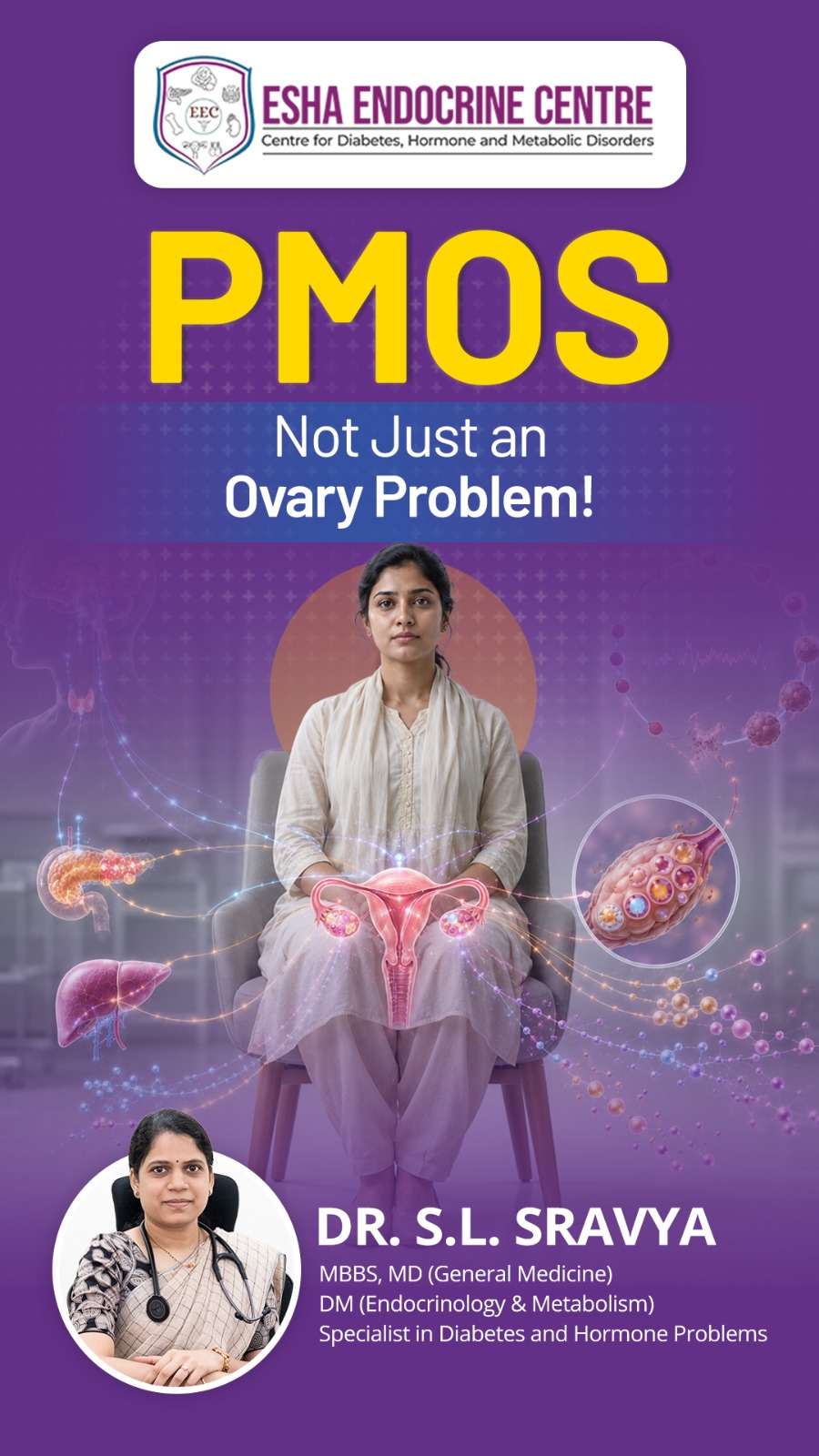
The video provides simple, practical insights into how PMOS affects the body and why early lifestyle intervention is one of the most effective ways to improve long-term health outcomes.
Why Early Diagnosis Matters
Many women ignore irregular periods or gradual weight gain, assuming these symptoms are normal. Unfortunately, delaying diagnosis allows insulin resistance and hormonal imbalance to worsen over time. Early evaluation allows doctors to identify metabolic abnormalities before complications such as diabetes, infertility, or cardiovascular disease develop.
Personalized treatment plans focusing on lifestyle modification, hormonal balance, and metabolic health provide the best long-term results. Working with a PCOS Specialist in Vijayawada ensures that treatment is tailored to each woman's symptoms, health goals, and future reproductive plans.
Conclusion
PMOS is a complex hormonal and metabolic condition that extends beyond the ovaries. Insulin resistance plays a central role in its development and contributes to many of its symptoms, including irregular periods, weight gain, acne, excess facial hair, fatigue, and fertility challenges. Left untreated, PMOS may increase the risk of Type 2 diabetes, obesity, heart disease, and other long-term health complications. Fortunately, early diagnosis, proper hormone evaluation, healthy lifestyle changes, and personalized medical care can effectively manage symptoms and improve long-term health outcomes.
If you are experiencing symptoms suggestive of PMOS, do not delay seeking expert medical advice. Consult Dr. S. L. Sravya at Esha Endocrine Centre for a comprehensive evaluation, individualized treatment plan, and ongoing support to help you achieve better hormonal balance, metabolic health, and overall well-being.
Frequently Asked Questions (FAQs)
Is PMOS different from PCOS?
PMOS is considered a broader term that reflects the metabolic and hormonal nature of the condition rather than focusing only on the ovaries.
What are the common symptoms of PCOS?
Common symptoms of PCOS include irregular periods, acne, excessive hair growth, weight gain, and difficulty conceiving. Early diagnosis can help manage symptoms effectively.
What causes heavy menstrual bleeding?
Heavy menstrual bleeding can be caused by hormonal changes, fibroids, polyps, adenomyosis, or other gynecological conditions. A healthcare professional can evaluate the symptoms and determine the underlying cause.
What are the symptoms of menopause?
Common symptoms of menopause include hot flashes, night sweats, irregular periods, mood changes, sleep problems, and vaginal dryness.
How do hormonal imbalances affect women's health?
Hormonal imbalances can affect menstrual cycles, fertility, mood, weight, and skin health. Early diagnosis helps manage symptoms effectively.